
Let’s get one thing straight: email marketing is far from dead. It’s just evolved. While everyone’s been distracted by flashy social media trends, email has quietly become the most reliable workhorse in digital marketing, delivering an insane $36 return for every single dollar spent.
Email marketing now operates in a new paradigm shaped by strict privacy regulations, the growing influence of artificial intelligence, and an audience that expects hyper-relevance and real value. The best strategies for email marketing focus on personalization, segmentation, and delivering meaningful content, as older tactics of blasting generic messages to large lists are no longer effective and often lead to spam folders and brand irrelevance.
Table of Contents
The 2026 Email Marketing Trends
Before outlining the best strategies for email marketing, it is crucial to understand the forces reshaping the industry:
1. First-Party Data is Non-Negotiable
Third-party cookies are done. With stricter privacy laws, you can’t rely on borrowed data anymore. The new value exchange is simple: offer real value, and your audience will willingly give you the data you need. It’s all about building trust, not tracking tricks.
2.AI for Authentic Connection
AI is no longer an option; it has become operational. The goal is to utilize it wisely, by sending emails that appear authentic and natural rather than robotic. This is more than just saving time; it’s about giving your readers a more enjoyable, meaningful experience.
3. Your Subscriber’s Inbox is Packed
Everyone’s inbox is flooded. You’re not just competing with other brands you’re up against work updates, personal threads, and endless promotions. If you want to be seen, you have to be more relevant, useful, or interesting than everything else in there.
4. Emails Should Work
Subscribers now expect emails to be functional, not just informative. They want to browse products, complete surveys, or book appointments directly within the message. Emails that remain static are often ignored or deleted. Interactive elements are no longer optional they are necessary to keep audiences engaged.
8 The Best Strategies for Email Marketing Success
To get good email results by 2026, you must mix technology, analytics, and strategic planning. The following are the eight crucial measures to take.
Strategy 1: Using Data for Personalization Email
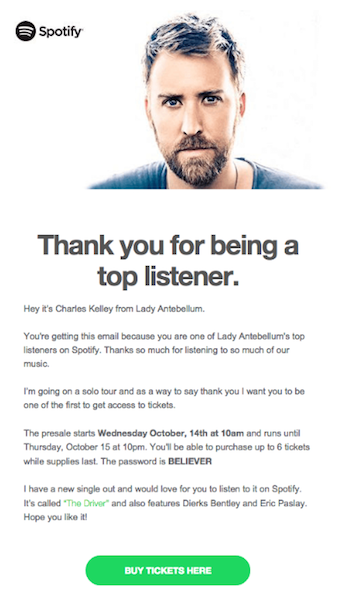
Personalization is more than just adding a subscriber’s name. With the use of both explicitly shared data (zero-party data) and data gathered from their activities (first-party data), it focuses on creating experiences according to personal preferences and actions.
Zero-Party Data Matters Most
This is the information customers willingly provide like selecting interests in a preference center (“I want updates on menswear, especially sneakers”), filling out a quiz, or sharing purchase intentions.
Example: Immediately upon sign-up, provide an interactive preference center that is simple to change. Instead of focusing only on age or region, you may use quizzes and brief surveys to divide your audience according to objectives, obstacles, and stylistic preferences.
Businesses can also grow their audience by using a free email list to reach relevant prospects and nurture them with personalized content.
Using First-Party Data in Real Time
Behavioral data from your website, app, or past emails should shape the next message your subscribers see.
Example: If someone has looked at yoga mats numerous times, the next email they receive may showcase top-rated mats and link to a “How to Choose the Perfect Yoga Mat” tutorial. It seems useful rather than obtrusive.
Taking Personalization Further
AI can layer on top of this by analyzing someone’s full engagement history to predict what’s useful to them next. That might mean sending a tutorial on a SaaS feature they’ve just started using, or a recipe built around ingredients they’ve purchased before.
Strategy 2: Use AI for Email Marketing
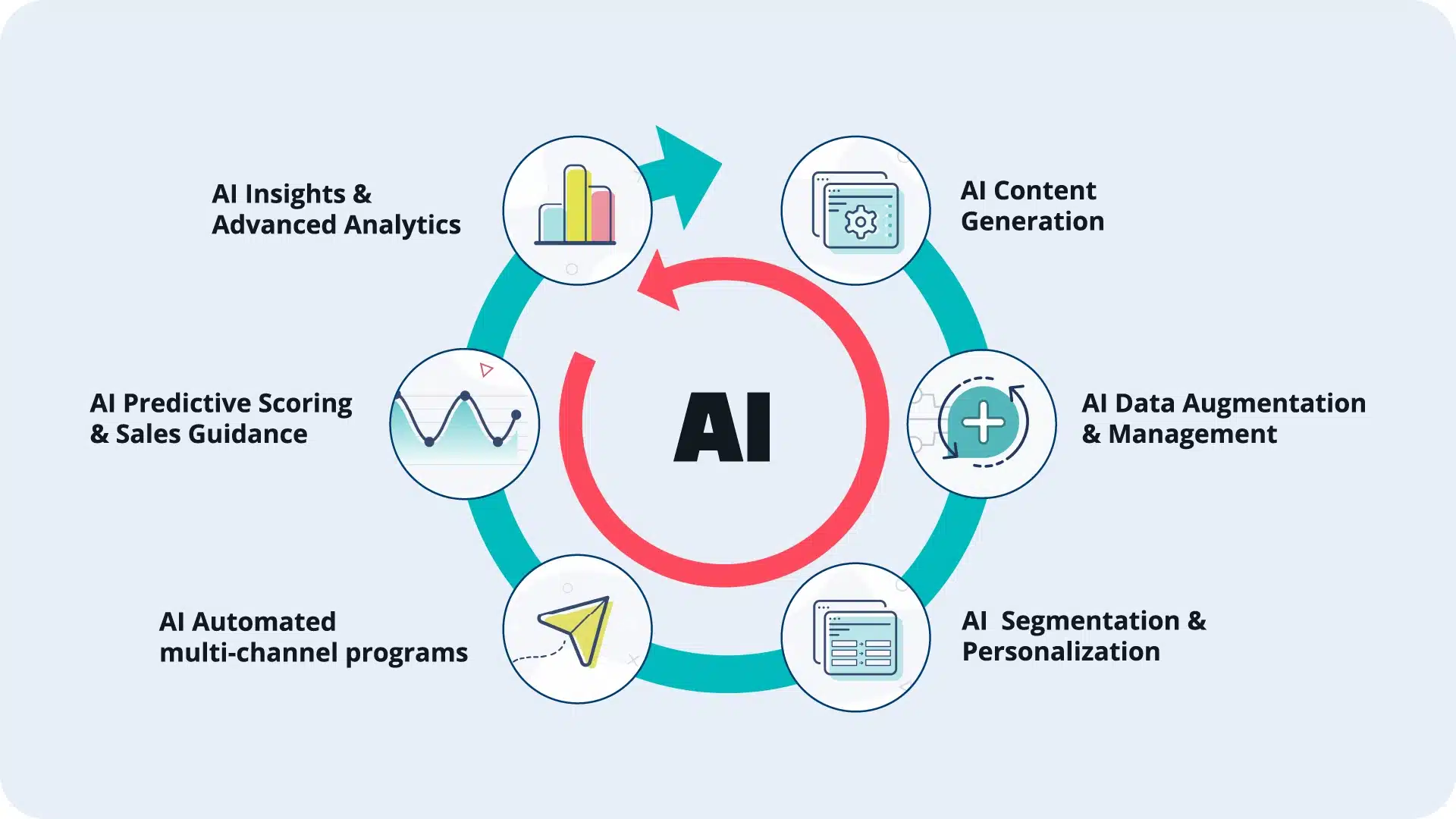
AI has completely changed the game, shifting the focus from looking at what customers did in the past to predicting what they’ll do next. This isn’t just a minor upgrade; it’s making every message more personal, more relevant, and far more effective.
Here’s how it works in practice:
- Craft Irresistible Subject Lines: Stop guessing what will get an open. Let AI scour your data to suggest subject lines and preheaders that are proven to grab attention.
- Perfect Your Timing: Forget blasting everyone at 10 AM on a Tuesday. Smart algorithms now pinpoint the exact moment each person is most likely to engage, and send it then.e
- Automate Your Top Performer: Imagine your best salesperson, working 24/7. AI identifies your hottest leads and instantly launches a personalized email sequence designed to close the deal.
- Beat Writer’s Block: Staring at a blank screen? Use generative AI as your brainstorming partner to draft compelling copy in seconds. Your job is simply to add your unique voice and polish.
Strategy 3: Interactive & AMP for Email Experiences
Static emails are a missed opportunity. Interactive emails transform the inbox from a mere messaging terminal into an engaging experience hub, reducing friction and increasing conversion rates.
AMP for Email (Dynamic Email)
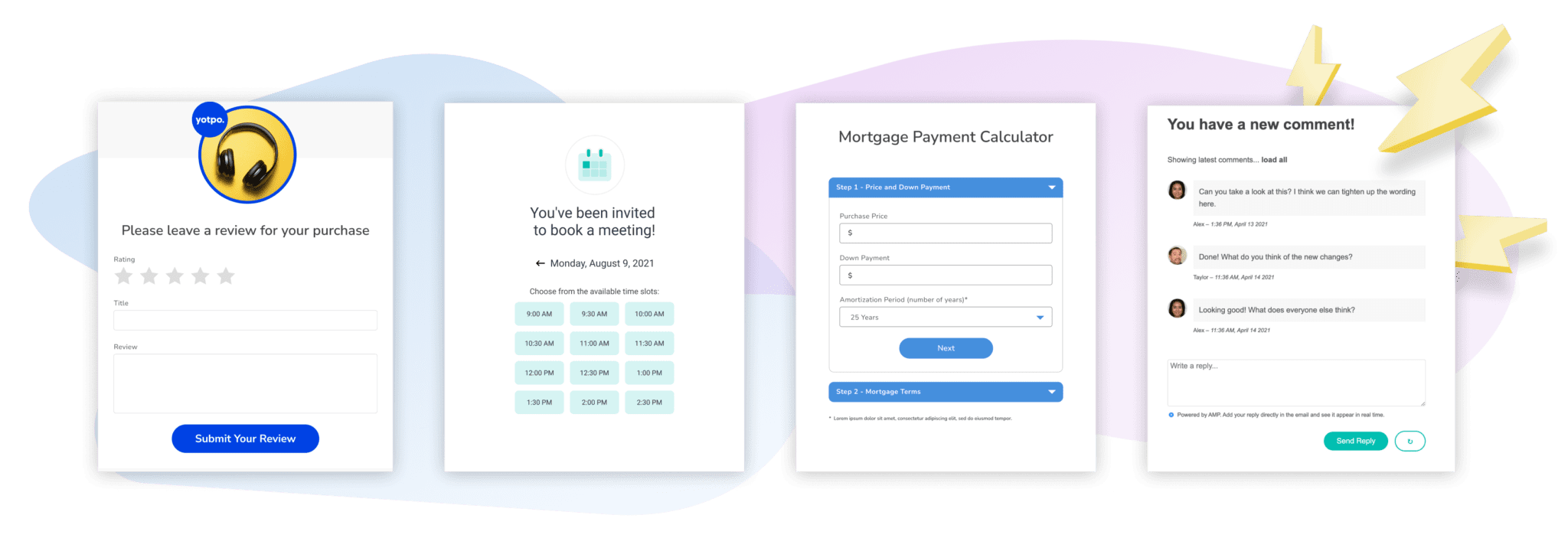
Gmail, Yahoo, and other providers support AMP, which allows you to incorporate dynamic, up-to-date components straight into your emails. Examples include:
- Product Carousels: Allow consumers to explore and add things to their basket without leaving the email.
- Live Polls and Surveys: Get rapid feedback and zero-party data.
- Calendar Scheduling: Allow recipients to schedule a meeting or demo right from their email.
- Real-Time Content: Display live countdowns for sales, updated inventory levels, or the most recent social media updates.
CSS-Based Interactivity
Want more engagement? Use advanced CSS to create interactive elements right in your emails. We’re talking about image rollovers, text accordions, and functional “Add to Cart” buttons that connect to your e-commerce system.
The goal is simple: captivate your audience and keep them in the email, shortening the path to a sale to just a single click.
Strategy 4: Behavioral Trigger Automation
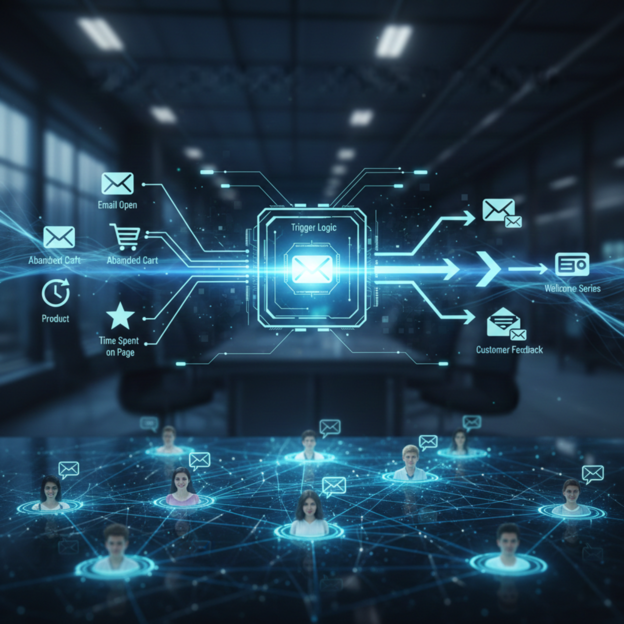 Automation is now a basic requirement. What sets you apart in 2026 is more advanced workflows. Go beyond simple welcome or abandoned cart emails and create detailed, multi-branch campaigns triggered by specific customer behaviors.
Post-Purchase Nurture Sequences
The journey doesn’t end at a sale. Trigger a series that includes:
- Poor post-purchase communication is one of the top reasons online store fail to retain customers, automated sequences that handle order updates, return policies, and re-engagement close that gap before it costs you the sale.
- Order confirmation and shipping updates.
- A “how to get the most out of your product” guide.
- A request for a review after sufficient usage time.
- Cross-sell recommendations based on that specific purchase.
Re-engagement and Win-Back Campaigns
Reach out to subscribers who have not read your emails in 60-90 days. A re-engagement communication with a clear subject line, a simple feedback request, or a unique offer could bring them back. This not only improves engagement but also keeps your list healthy.
For more ways to gather useful feedback, see the article 4 Best Practices of Asking for Customer Feedback with Emails.
Browse Abandonment Emails
To ease a user’s hesitancy and motivate them to proceed, send them an email with further information, such as reviews, frequently asked questions, or a product video, if they spend too much time on a product page without adding anything to their basket.
Strategy 5: Building Community and Brand-Customer Collaboration
Modern audiences want more than transactions they want connection. Instead of pushing messages, use email to involve them directly. Share customer stories and reviews, run hashtag campaigns to encourage participation, and highlight authentic content.
Invite loyal subscribers into exclusive groups with early access and direct communication. Poll engaged users on product ideas or features, turning them into active supporters of your brand.
Strategy 6: Accessibility of Email
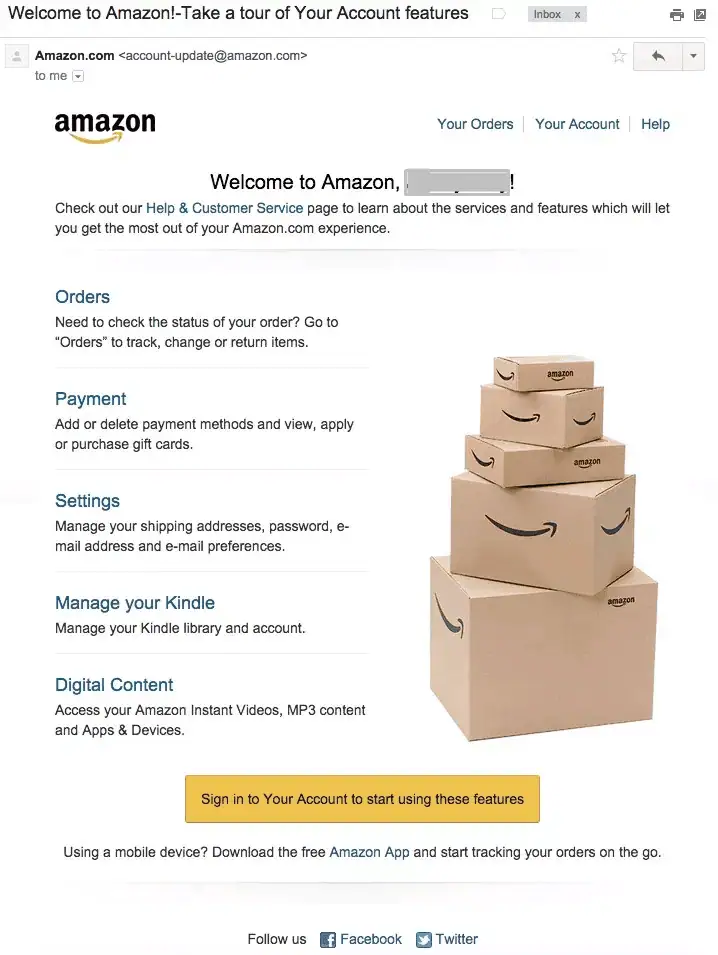
An accessible email is more than simply a moral and (in many cases) legal requirement; it is a commercial best practice that broadens your reach to the complete audience, including the world’s over one billion individuals with disabilities.
Semantic HTML & Structure
Use appropriate HTML elements (e.g., <h1>, <p>) to ensure screen readers comprehend the email’s content hierarchy and meaning.
Alt Text for All Images
Every single image must have descriptive alt text. This is crucial for both accessibility and for when images fail to load.
Color Contrast
To assist those with visual impairments, utilize a high contrast ratio between text and backdrop colors.
Descriptive Link Text
Avoid “click here.” Instead, use descriptive text like “Read our full guide on email accessibility.” This helps everyone, including screen reader users, understand where the link will take them.
Responsive Design
Your emails must be perfectly readable and functional on any device, from desktop to mobile to tablet.
Strategy 7: Advanced Segmentation and Lifecycle Marketing
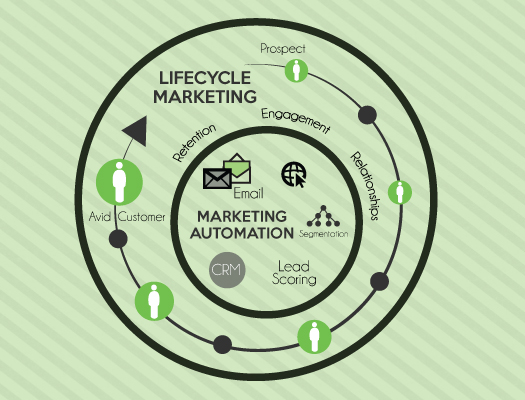
Broad segments like “Men” or “Ages 25-34” are useless. Segmentation in 2026 is micro, dynamic, and based on a combination of psychographics, behavior, and lifecycle stage.
Create “Jobs to Be Done” (JTBD) Segments
Segment your audience not by who they are, but by what they are trying to achieve. For example, a SaaS company might have segments for “Users trying to improve team collaboration,” “Users focused on security compliance,” and “Users automating sales reports.” Your content is then tailored to help them complete that specific “job.”
Lifecycle Stage Segmentation
Depending on the subscriber’s stage and brand relationship, your strategy should change.
- New Subscribers: Send a welcome series, introduce the brand, and explain the core value.
- Active Engagers: Encourage community participation, suggest upsells, and offer instructional information.
- Customers at Risk: To acquire a better understanding of disengagement, implement win-back programs and solicit feedback.
- Loyal Advocates: Provide referral bonuses, early access, and unique benefits.
Strategy 8: Driving Results Through Data and Testing
The only way to discover what truly resonates with your audience is to test, measure, and adjust on a regular basis.
Look Beyond Opens and Clicks
Opens and clicks are useful measures, but they only provide a portion of the story. The genuine success indicators will be KPIs that directly connect to corporate development, such as conversion rate, revenue per email, list growth, and how frequently users exchange or forward emails. These indicators show if your campaigns are providing meaningful results.
Experiment with A/B/N and Multivariate Tests
Don’t stop at subject lines. Every element of your emails can influence outcomes, so test widely:
- Sender Name: Compare results between a personal name (e.g., “Jane from Marketing”) and your company name.
- Copy Length: See whether short, skimmable messages outperform longer, in-depth ones.
- CTAs: Try different button language, style, and location.
- Personalization: Evaluate the impact of including data such as a subscriber’s location or latest purchase.
Use Visual Data from Analytics and Heatmaps
Analytics and heatmaps demonstrate how subscribers interact with your emails, including what they click, how far they scroll, and what they skip. These insights may help you enhance layout, design, and content to boost engagement.
Putting It All Together
A project management software company wants to boost user activation after the free trial sign-up. During registration, the user chooses “Project Manager” as their role and “Improve team communication” as their main goal. This information places them into the right segment. AI analysis shows that users with this profile are most likely to activate if they try the in-app chat feature, with Wednesday at 11:00 AM being the best time to reach them.
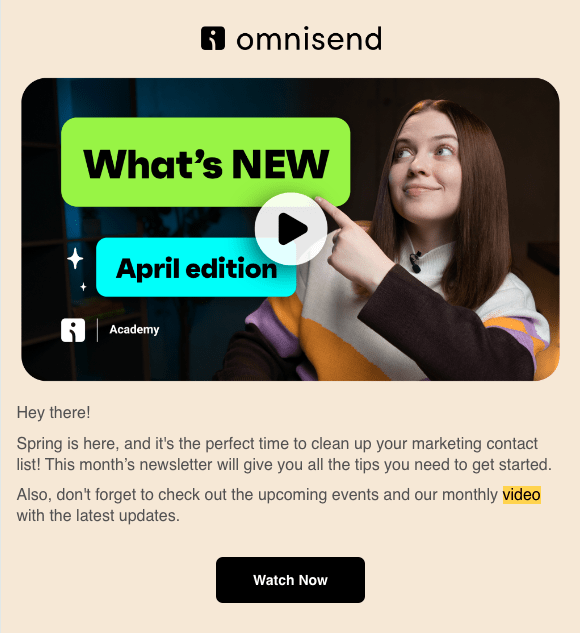
If the user hasn’t tested the chat feature within 48 hours, an automated onboarding email is triggered. The email includes an interactive product tour with AMP, a short demo video, and a button that lets them enable chat directly from the email. A testimonial from another project manager adds credibility: “This chat feature cut our meeting time by 25%.” To ensure accessibility, captions are provided and all features work with keyboard navigation.
The campaign’s success is measured by feature activation instead of clicks. Results show that 30% of inactive users became active after this flow, proving it an effective strategy.
Conclusion
The best strategies for email marketing show how AI, data, and interactive features can make campaigns more effective. These tools are not intended to replace human interaction, but rather to assist businesses in understanding their customers, protecting privacy, and providing appropriate messages.
Successful email marketers will use technology successfully while focusing on clear, human-centered communication that fosters long-term trust.