
Modern businesses need a straightforward strategy to track and manage their leads as they move through the sales process. A proper lead management system is essential to organize these activities in one place. Lead generation tools play an important role in this process. They help you reach potential customers through different online channels. You can track their activity and decide how to follow up once they enter your system.
Keep reading and learn what lead management systems do and which alternatives you can try!
Table of Contents
What Is a Lead Management System?
As you know, lead management is the process of organizing and following up with potential customers. It helps you move them from their first interaction toward a purchase.
Many people mistake lead management systems for CRM software. However, they usually offer way more than basic CRMs that store customer details and track sales activity. They concentrate on what happens during different stages of the sales journey.
Lead generation tools are an essential element of this process. They help you find and attract potential customers. The management system can then store and organize them for your sales team.
The process usually includes five main stages
- Capture;
- Qualification;
- Distribution;
- Nurturing;
- Conversion.
All these stages help you create a structured path from first contact to sale. A good lead management system helps you control each stage and avoid losing valuable opportunities.
Why Lead Management Matters

You can reach prospective clients through more channels than ever now. Yet, your business needs a steady flow of these customers to keep growing. As Zig Ziglar said,
“You are out of business if you don’t have a prospect.”
A trustworthy lead management system can help you focus your efforts where they matter most.
Why is it so important?
High Number of Digital Leads
Most companies now collect prospects from many digital channels. These typically include
- Websites;
- Social media;
- Email campaigns;
- Search ads;
- Landing pages;
- Webinars;
- Online forms.
Each channel can bring in valuable clients, but managing them all can become difficult. An online form builder can standardize lead capture across landing pages, webinar registrations, and contact requests, then send submissions to the tools your sales team already uses.
Manual tracking is no longer sufficient, as it creates extra work when data volume grows. Your sales teams might unintentionally miss follow-ups and duplicate some records.
You need a management system that brings this information together. So, your team will have one place to view essential details and manage follow-ups.
Faster Response Times
Your speed is extremely important when a potential customer shows interest. They might contact several businesses at once. So, a slow response can give your competitors a chance to win the sale.
Automation systems allow you to respond much faster. They can also notify you about any new leads or assign them to the right team member.
Faster responses will help you engage people when their interest is still fresh. It will lead to a smoother experience and better chances of moving your prospect further through the sales process.
Better Qualification
Not every prospect has the same level of interest and buying potential. You need lead management systems to score and segment them based on various factors, including
- Website activity;
- Email engagement;
- Form submissions.
You use this scoring to give each prospect a value based on selected criteria. Segmentation then lets you group them by needs and their stage in the buying journey.
As a result, you will spend more time on valuable prospects.
Top Lead Generation Tools for 2026
The right lead generation tools and management systems are a must to move your prospects through the sales funnel effectively. The best platforms combine various features and advanced analytics to help you with that.
So, we gathered some of the top tools you can incorporate into your work.
| Platform | Best For | Features | Starting Price |
| HubSpot | All-in-one marketing and sales | Contact management, qualification, nurturing | €7/month |
| Mail Mint | WordPress and WooCommerce email marketing | AI email assistance, segmentation, automation | Free / $149.99/year |
| Mailchimp | Email-based generation and nurturing | Segmentation, contact management, nurturing | $13/month |
| Salesforce | Sales teams and growing businesses | Routing, scoring, pipeline and opportunity management | $25/month |
| Apollo.io | B2B prospecting and outbound sales | Scoring, data enrichment, prospect management | $49/month |
| Pipedrive | Visual sales pipeline management | Leads Inbox, qualification, scoring, pipeline management | €14/month |
| ActiveCampaign | Marketing automation and nurturing | Behavioral scoring, segmentation, lead qualification | $15/month |
| Zoho | Small businesses and multichannel lead management | Enrichment, scoring, segmentation, consent management | €14/month |
Hubspot
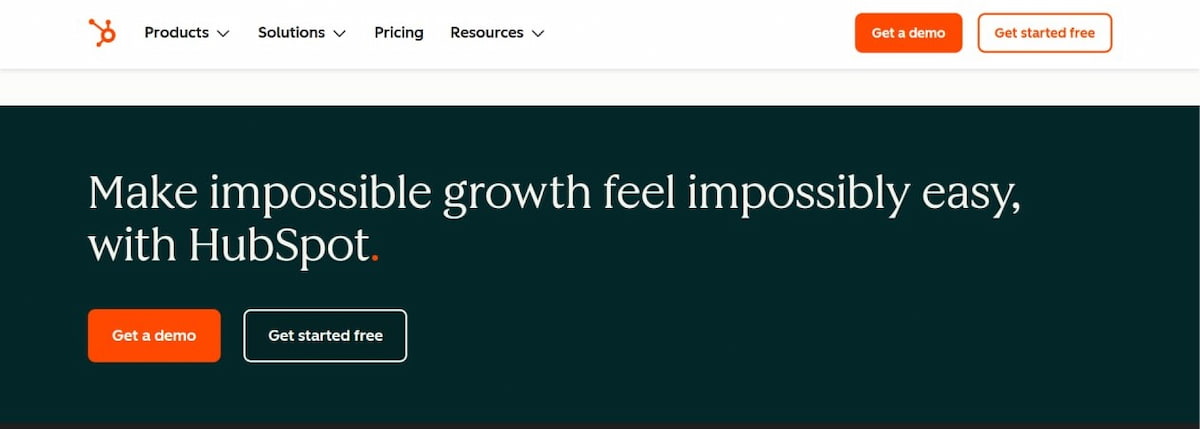
HubSpot offers many marketing and sales tools to manage prospects in one place. This platform integrates lead generation features with CRM and sales functionality.
HubSpot lets you create different
- Landing pages;
- Forms;
- Ads;
- Email campaigns.
These let you gather contact details and bring new prospects into your CRM. Then, you can organize these contacts and track their interactions.
HubSpot can also help you with your qualification and nurturing activities. Plus, you might use its automation functionality to handle all the follow-up tasks.
Plus, this platform includes AI features for
- Prospect research;
- Outreach;
- Pipeline management.
These tools can help you identify important actions and personalize communications.
You can use many free tools or get a paid plan for more advanced features. Their prices range from €7/mo to €150/mo.
Mail Mint
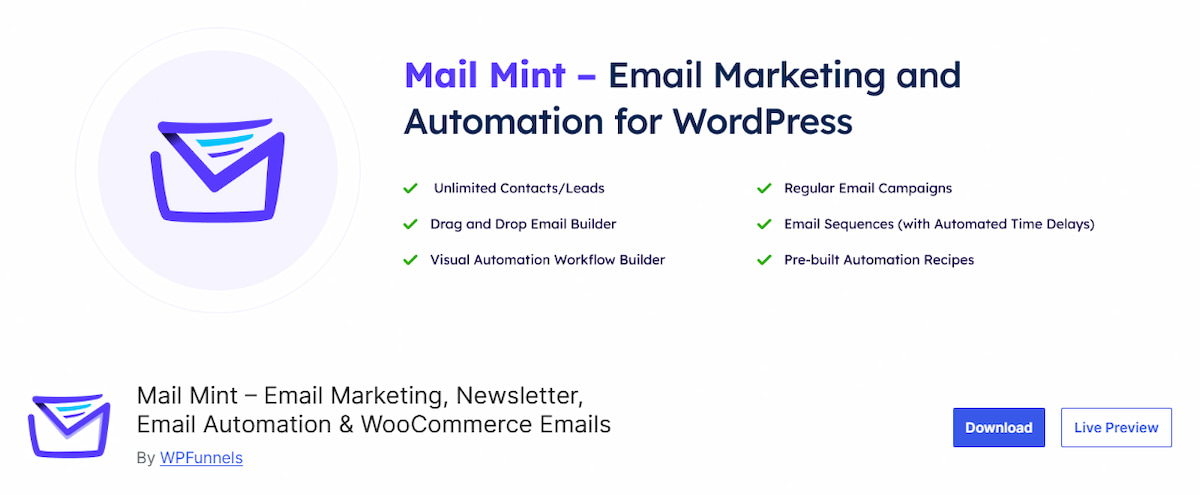 Mail Mint is an email marketing and automation platform for WordPress and WooCommerce that helps businesses manage contacts, send campaigns, and automate customer communication from their own WordPress dashboard. It is particularly useful for WooCommerce store owners who want to run targeted email campaigns and automated customer journeys without adding another separate marketing platform.
You can use this platform to
- Manage contacts;
- Segment audiences;
- Run email campaigns;
- Automate customer communication.
Mail Mint also lets you divide contacts into segments based on their attributes and engagement. It simplifies sending relevant messages to different groups of leads and customers.
Automation is another key feature of this platform. You can create email automation workflows that respond to specific triggers, actions, and conditions. So, your team can stay in touch with leads and customers without handling every follow-up manually.
One of its standout features is the AI Email Engine. You can describe what you want to achieve, and its AI Email Assistant helps prepare the email campaign or automation workflow, including the email content, design, triggers, steps, and conditions. You can then review and adjust the setup before launching.
Mail Mint also has a free version, while paid plans start at $149.99/year for one site.
Mailchimp
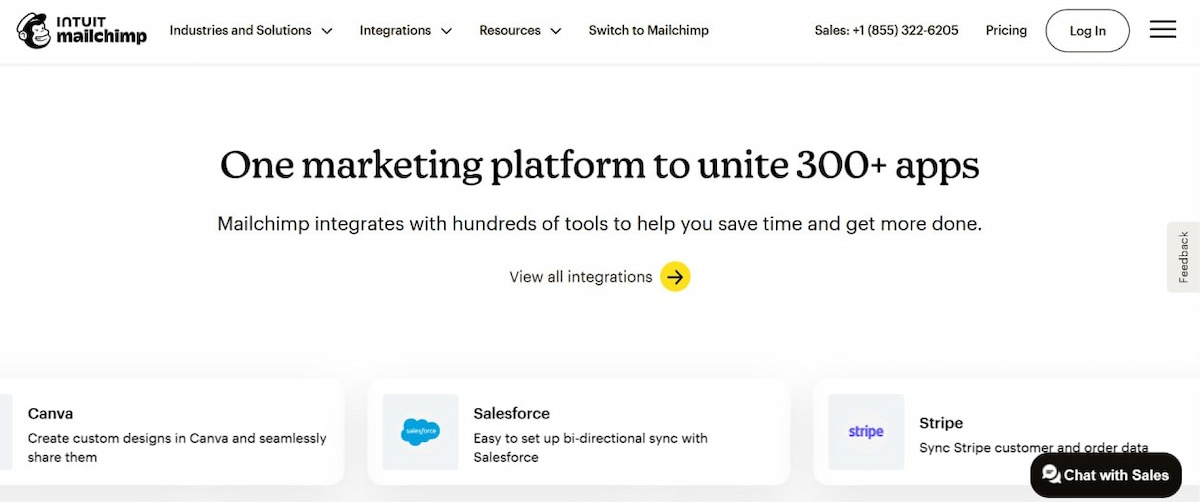
Mailchimp is popular for its email marketing. However, it also offers diverse useful features for generating and managing leads.
You can use this platform to
- Collect contact information;
- Organize audiences;
- Nurture prospects;
- Measure campaign performance.
Mailchimp also lets you divide audiences into segments based on their personal info and engagement. It simplifies sending relevant messages to different groups.
Automation is another key feature of this platform. You can create email journeys that respond to specific actions. So, your team can stay in touch with prospects without sending every message manually.
Mailchimp also provides campaign analytics. You can monitor metrics such as
- Opens;
- Clicks;
- Audience growth;
- Campaign performance.
Plus, it can connect with your CRM and other business platforms. So, your marketing department can pass qualified leads to sales teams while keeping lead information connected.
Mailchimp has different pricing plans that start at $13/month.
Salesforce
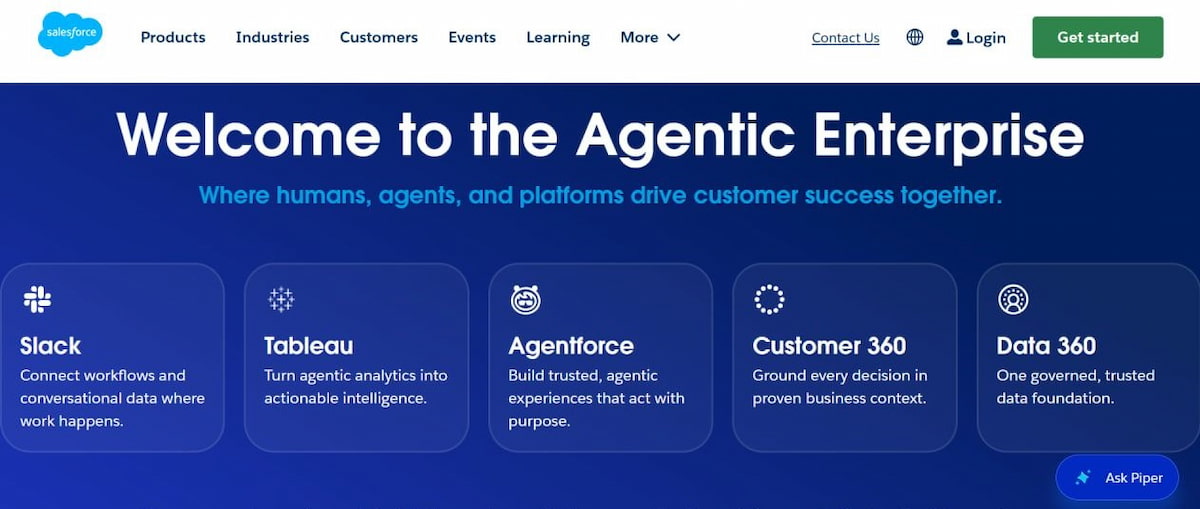
Salesforce is a great option for managing leads and customer relationships from one platform. Its Starter Suite allows you to find leads and organize client data automatically.
This platform brings lead and customer information into one workspace. Your sales teams can manage
- Leads;
- Opportunities;
- Tasks;
- Customer interactions.
You might also use visual pipelines to see where each opportunity stands. Plus, your teams will have access to scoring and email nurturing to maintain regular communication with promising prospects.
Its automation functionality can reduce repetitive sales tasks. It supports sales workflows and follow-ups, while its AI features can provide useful data. Plus, this platform integrates with various tools and helps your teams collaborate easily.
Salesforce offers a free option with basic lead and customer case management. Its paid plans with more features start at $25 per month.
Appolo.io
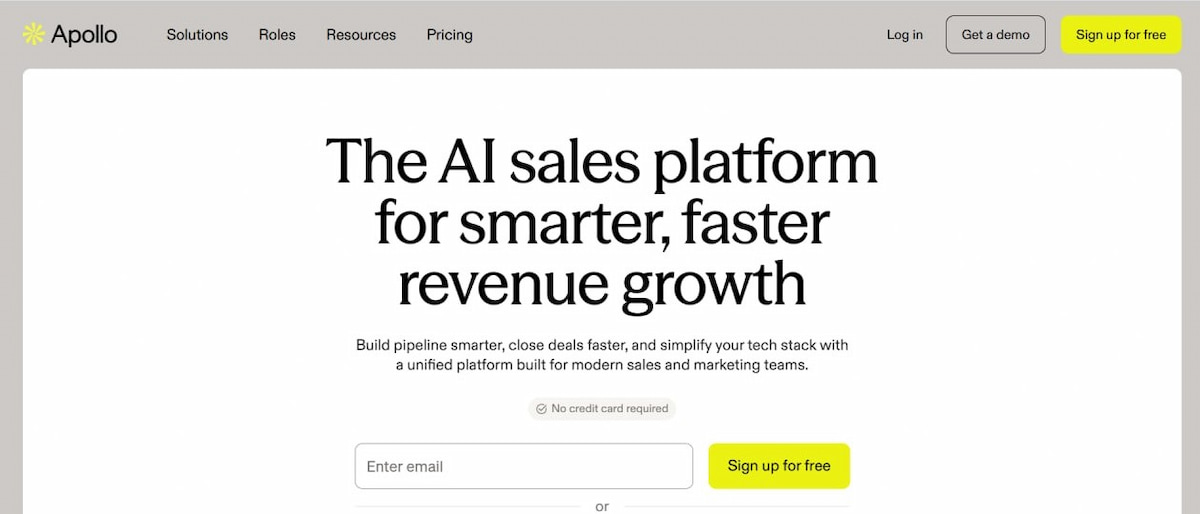
Apollo.io is a B2B platform for lead generation and sales engagement. This alternative combines
- Prospect data;
- Lead scoring;
- Intent signals;
- Outreach tools.
One of Apollo’s main strengths is its large B2B contact database. You can use filters to create targeted prospect lists. Its browser extension also lets you find prospect information while browsing websites and working inside your professional tools.
This platform offers AI scoring that can rank leads based on available data. Its buying intent signals highlight prospects that may be actively researching a product or service.
Plus, Apollo provides sales engagement tools for outreach. You can build sequences that combine automated and manual steps. So, your sales teams can maintain consistent follow-up without handling every interaction manually.
Not to mention that this platform offers data enrichment features. You can update your contact records with additional company and behavioral information.
Apollo offers a free plan with limited features and paid plans starting at $49 a month.
Pipedrive
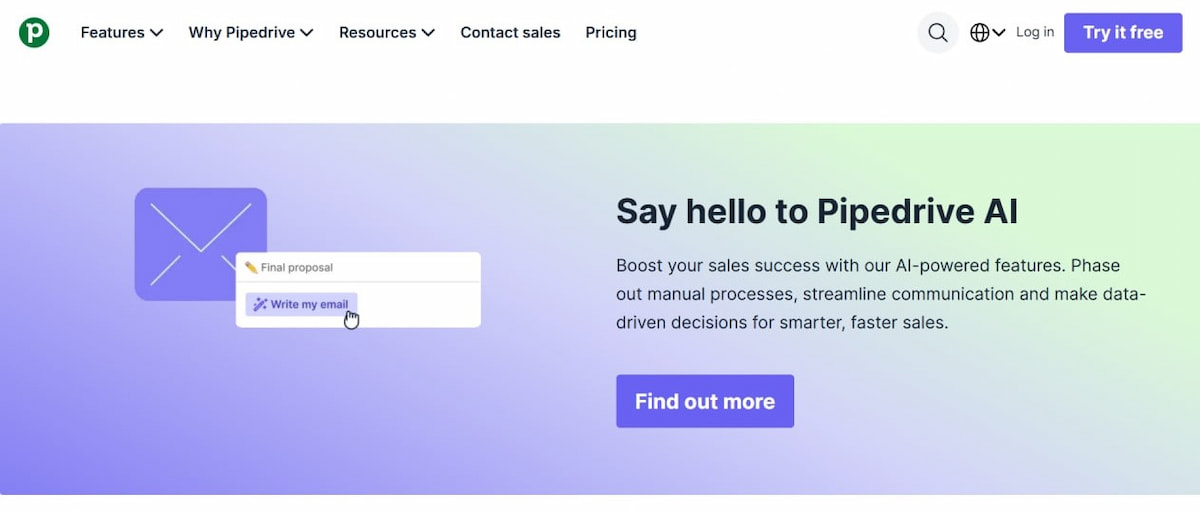
Pipedrive is a sales CRM that has lead generation and management features.
Pipedrive’s Leads Inbox gives you a dedicated space for new prospects before they enter the main sales pipeline. You can use it to
- Sort leads;
- Filter data;
- Add activities;
- Qualify prospects.
This platform also supports several methods to generate new leads. You can use Web Forms to collect visitor information and include qualifying questions. Its Chatbot can engage your website visitors and identify promising prospects.
Pipeline management is another major part of Pipedrive. You can create custom pipelines that match your sales process and use visual stages to track opportunities. Activity reminders and notifications can help you follow up on deals before they become inactive.
Pipedrive also includes scoring features that help you rank prospects based on fit and potential.
They have a free trial option and various pricing plans starting at €14 a month.
ActiveCampaign
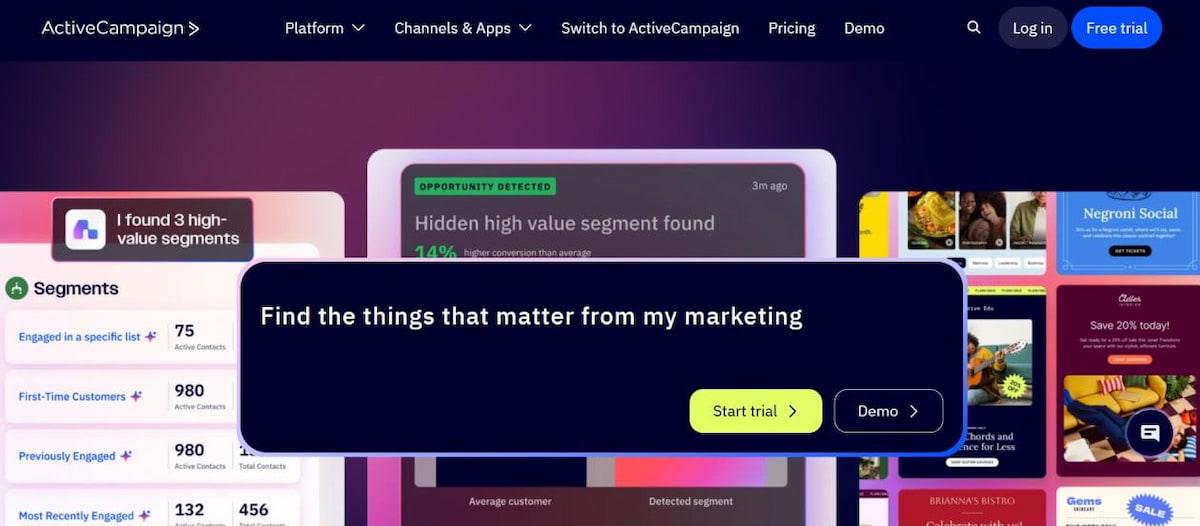
ActiveCampaign is a marketing platform that helps businesses determine promising leads.
This platform scores leads using customer attributes and behaviors. You can assign points based on different actions, including
- Email engagement;
- Website visits;
- Page views.
These scores will update as your prospects continue to engage.
ActiveCampaign also has different scoring models for different products or customer interests. It helps you adapt your approach instead of applying the same qualification rules to every person.
Automation is another major part of this platform. You can specify score thresholds that trigger certain actions. Plus, you can use automated follow-ups and nurture sequences to engage your prospects.
ActiveCampaign has a free trial and diverse paid plans starting at $15 per month.
Zoho
Zoho helps businesses organize and nurture leads throughout their sales process. It supports multiple sources and brings customer information into a central system.
You can collect leads through
- Website forms;
- Existing contact imports;
- Meeting prospects in person.
This platform can then help you organize these records and reduce incomplete data.
You can also use its enrichment features to add useful information to customer profiles. Plus, Zoho’s AI assistant can help you with data enrichment and lead scoring to identify prospects with stronger conversion potential.
Zoho also gives you a broader view of each prospect. You can bring together customer information and interactions while connecting the CRM with diverse third-party applications.
Privacy and consent management are also part of Zoho’s lead management approach. You can track consent and confirm that prospects want to receive communications.
This platform offers some free tools and plans starting at €14 per user per month.
How to Compare Lead Generation Tools
The right lead management platform should match your business size and daily processes. So, you have to consider how each platform will fit into your current operations and future growth.
Some of the key points to consider are
- Business size and sales process;
- Number and sources of leads;
- Automation features;
- Software integrations;
- Pricing and scalability;
- Reporting and analytics quality.
Plus, we suggest you test the potential alternative before you pay for a long-term plan. You can use available free trials to see how well the tool fits your team’s workflow.
Conclusion
Organizing your leads from multiple digital channels is pretty difficult. So, you need a proper lead management system to capture more prospects and guide them toward conversion.
You have to evaluate different factors to pick the right platform for your needs. These include
- Company size;
- Sales goals;
- Budget;
- Lead volume;
- Sales process.
Finding a system that fits your workflows can help your team manage leads more efficiently and benefit from every sales opportunity.