
Keeping customers is more valuable for businesses than constantly finding new ones. It costs less to retain existing customers, and they bring greater long-term value. Even a small improvement in customer retention can significantly increase profits. Email marketing remains one of the most effective tools for building loyalty and keeping customers engaged.
In this guide, we’ll explain email marketing role in improving customer retention rates. We’ll talk about the main benefits, key strategies, types of campaigns, best practices, and real examples to show why email should be part of every retention plan.
Table of Contents
What is Customer Retention?
Customer retention is the set of tactics a company uses to keep customers coming back. It’s not just about preventing churn but about nurturing relationships so buyers stay satisfied and become loyal repeat customers.
Retention is important because keeping existing customers is cheaper than acquiring new ones, and loyal customers spend more, stay longer, and promote your brand. Email plays a major role here by offering a direct, cost-effective way to stay connected, deliver personalized content, and keep your business top of mind.
Email Marketing Role in Improving Customer Retention Rates
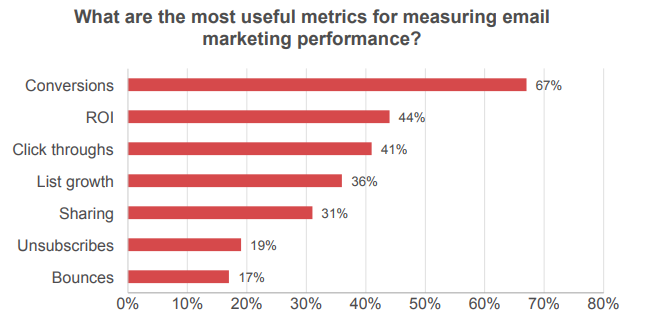
The email marketing role in improving customer retention rates is clear because it gives you a direct connection with customers, unlike social media algorithms or paid ads that can limit your reach. When someone joins your list, you control the conversation and can deliver content that matters to them.
Its strength lies in ownership, you own your list and reach inboxes without a middleman. Personalization makes messages feel unique by using data like past purchases or interests. It’s also cost-effective, with an average ROI of $36 for every dollar spent.
Email builds customer relationships by sharing value like deals and insights. Automation makes it efficient, handling welcome messages, cart reminders, and reorder prompts automatically.
The Customer Lifecycle and Email Marketing
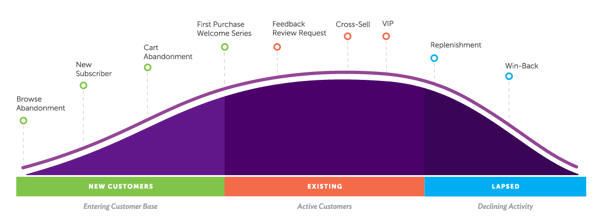
Email marketing helps retain customers by providing support at different stages. Onboarding emails outline expectations, engagement emails maintain visibility, and conversion offers encourage repeat purchases. Each stage contributes to building a stronger customer relationship.
Loyalty is built through referrals and VIP rewards, while reactivation campaigns bring dormant customers back.
How to Use Email Marketing to Improve Customer Retention
Getting customers to return is where the real work and profit happen. Email is the strongest tool for this, not through endless promotions but by building lasting relationships. Here are a few strategies that work:
1. Personalization at Scale
Customers today want relevant communication, therefore generic mass emails are no longer effective. Businesses may provide specialized content and suggestions by using data such as browsing history, recent purchases, and preferences.
More suggestions for making emails feel relevant and targeted may be found in these 6 Email Personalization Tips to Connect with Potential Customers.
2. Audience Segmentation for Effective Campaigns
To boost conversions and open rates, customers are divided into groups according to their demographics, frequency of purchases, or degree of involvement. Then, each group receives customized messaging.
3. Smart Automated Journeys
With automated programs that assist clients at every stage, go beyond individual emails. While follow-up communications might give useful advice or product recommendations that complement a recent purchase, a heartfelt greeting sets the tone.
By thanking your most devoted followers and reaching out to subscribers who have stopped responding, these automatic streams also help maintain your brand at the forefront of consumers’ minds.
4. Content That Actually Helps
Help others instead than simply selling. Provide information that your subscribers are interested in, such as brief video guides, fascinating business news, or examples of how other clients are utilizing your goods. This prevents your email from becoming just another advertising channel and increases relevance.
5. Rewards for Your Regulars
Make your top customers feel special. Give them first dibs on new goods, a birthday discount, or customer awards. These additional benefits promote a sense of belonging and provide customers a compelling reason to return.
6. Listen and Learn
Asking for feedback shows you care about your customers’ experience. Simple surveys or follow-up emails after a purchase make people feel heard. When you act on that feedback, it proves their opinion shapes your business, building incredible trust and loyalty.
Types of Electronic Campaigns Aimed at Customer Retention
Keeping customers is less about checking a task off and more about building a relationship. One email won’t do it, you need different types of messages to stay helpful and relevant at every stage.
Here are a few types of emails that help along the way:
- Welcome: First impression.
- Thank You: Show gratitude.
- Educational: Share tips.
- Suggestions: Recommend products.
- Win-Back: Reconnect with inactive customers.
- Loyalty: Reward regulars.
- Milestones: Celebrate occasions.
- Transactional: Friendly order updates.
Case Studies: Email in Action
Here are some specific instances of email marketing that produce outstanding results:
Example 1: E-commerce Brand
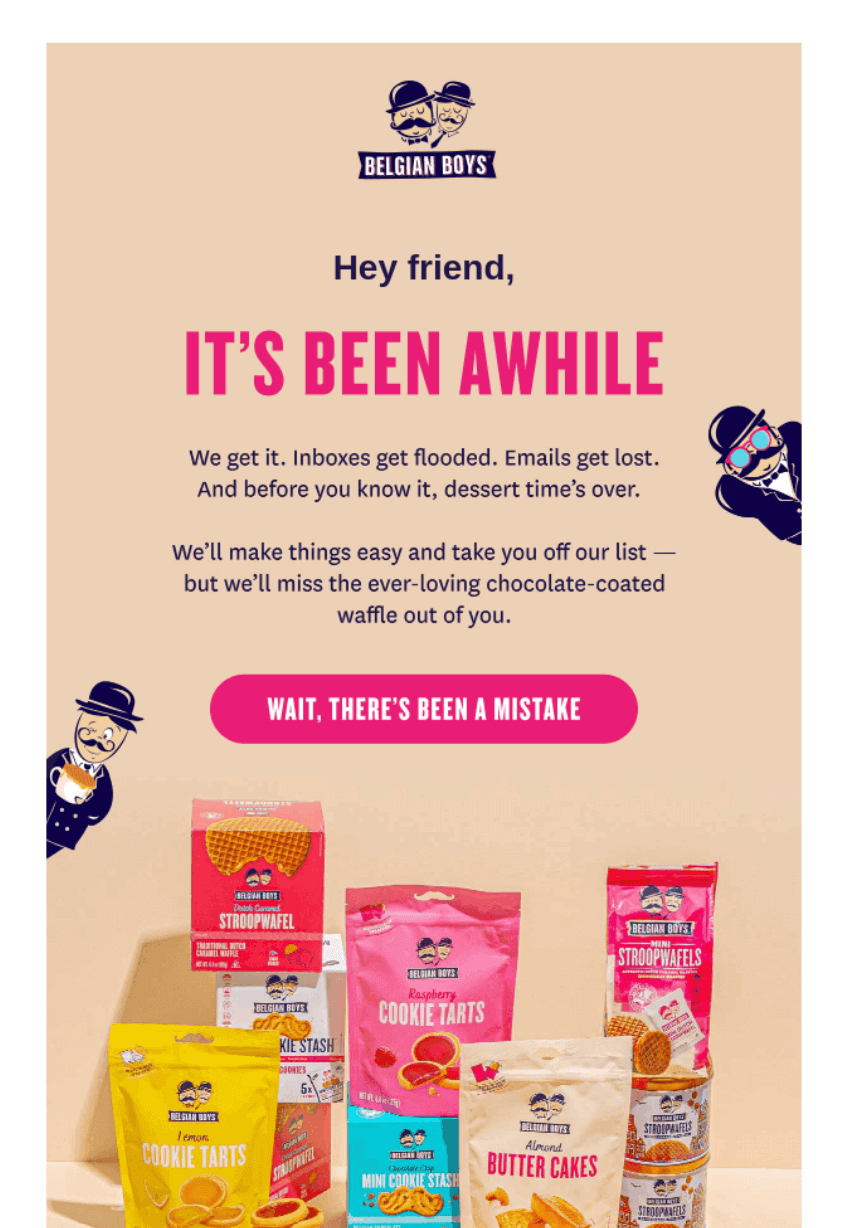
An online retailer used abandoned cart emails to reduce lost sales. By adding personalized product recommendations and urgency-driven discounts, they increased recovery rates by 25%.
Example 2: SaaS Business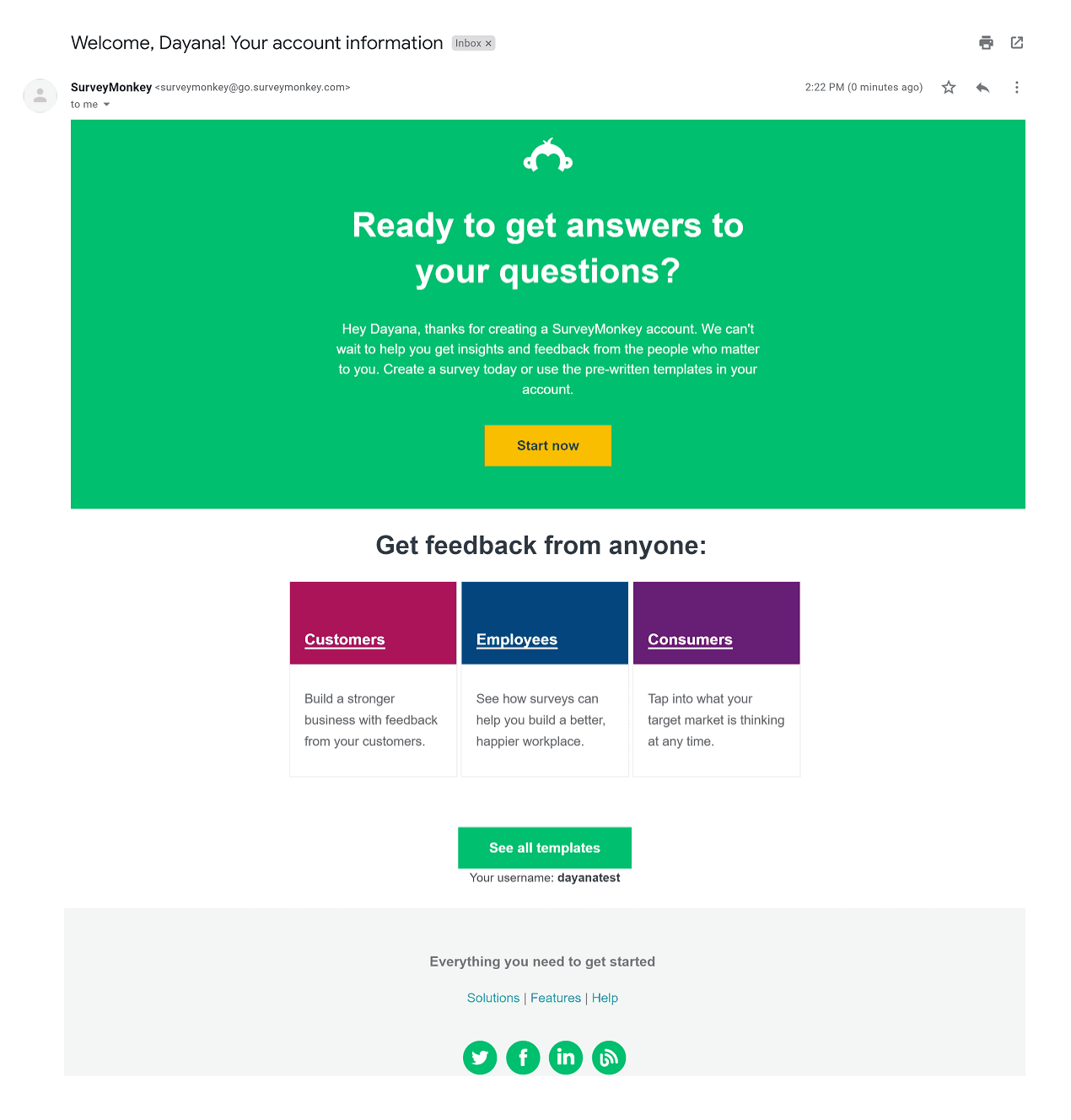 (Image Source)
A software company implemented a customer onboarding email sequence. Instead of overwhelming users with information, it delivered short, actionable tutorials. This improved activation rates and reduced churn.
Example 3: Subscription Box Service
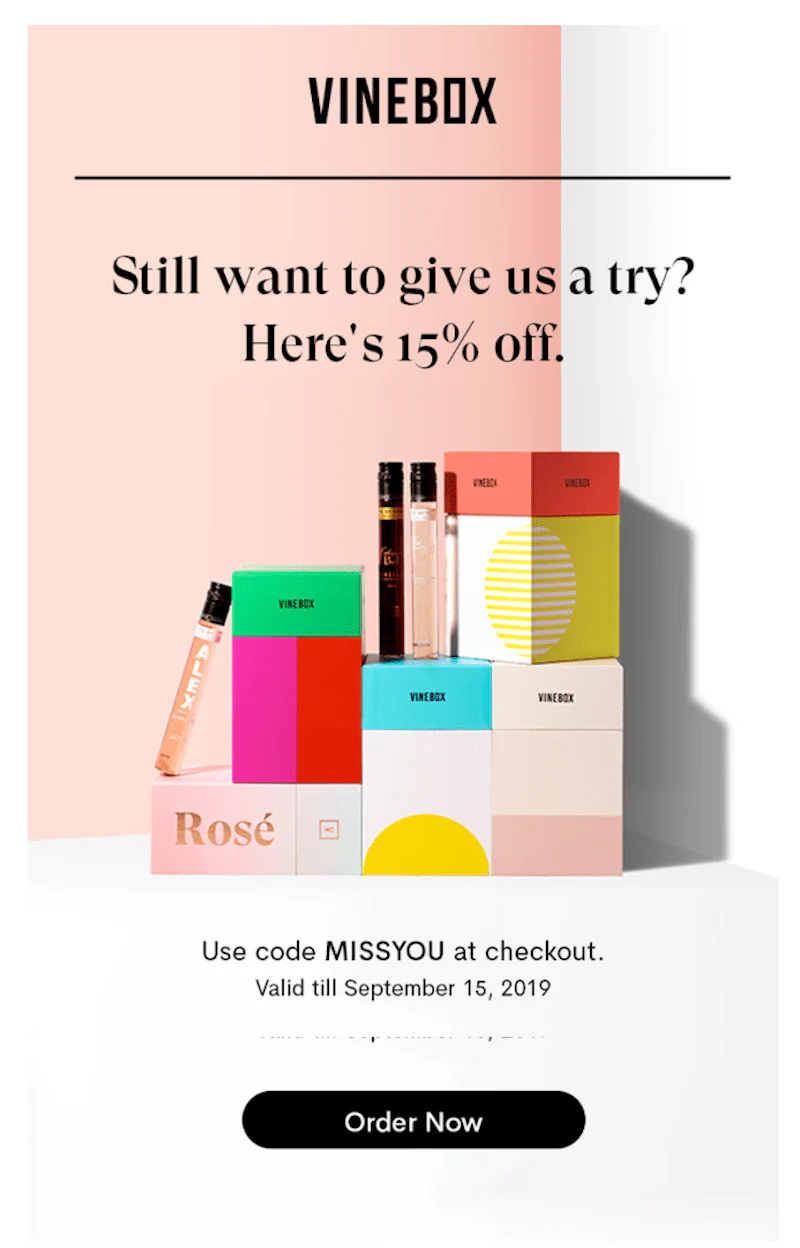
They used loyalty reward emails offering points for every purchase. Customers were more likely to stay subscribed because they wanted to redeem accumulated points.
How to Write Emails That Actually Keep Customers?
It takes more than just creative phrasing to keep clients interested in emails—you also need to communicate the appropriate content at the right time. When done well, emails generate a devoted readership. Here’s how:
1. Make Sure it Looks Great on a Phone
Let’s be real, we all check email on our phones. If your message is a mess on a small screen, it’s an instant delete. Always adopt a responsive design that works with any device. This is definitely necessary, not optional.
2. Tell People Exactly What to Do Next
Always make the purpose of your email clear. Each message should focus on one main goal with a single, noticeable button or link that guides readers. Use direct, action-focused text such as “Grab the Deal” or “Read the Article.”
One strong CTA is always better than a confusing handful.
3. Never Stop Testing
What got clicks yesterday might not work today. The only way to really know what your audience wants is to test it out. Try different topics, images, and offers to see what resonates most.
4. Send the Right Number of Emails
Determining the right email frequency requires balance. Email too little, and you’ll fade from memory. Email too much, and you’ll become a nuisance that people can’t wait to delete. The key is to pay attention to your engagement numbers.
Are people opening and clicking? If you’re unsure, just ask them what they want.
5. Respect Their Privacy
Obtain consent before adding subscribers at all times. Observe privacy regulations and make unsubscribing simple. Being transparent about your data usage fosters the confidence that converts clients into devoted supporters.
6. Track What Truly Matters
Look beyond open rates. Focus on what really counts: clicks, sales, unsubscribe rates, and whether your emails actually help keep customers. When done well, email becomes a valued channel that drives real growth.
Measuring the Impact of Email on Customer Retention
To prove ROI, businesses should measure:
- Repeat Purchase Rate: How many customers buy from you again?
- Customer Lifetime Value (CLV): How much does the average customer spend over time?
- Churn Rate: What percentage of customers are you losing?
- Engagement: Are people opening, clicking, and converting?
Future Trends in Email Marketing and Customer Retention
Email is shifting toward smarter, more personal communication. The focus is moving away from generic blasts and toward one-on-one connections that make emails feel welcome.
1. AI as Your Personal Assistant
Future personalization goes beyond names and past orders. AI will predict needs, like reminding customers to restock coffee or suggesting items that match past purchases, making emails feel thoughtful, not pushy.
2. Emails You Can Actually Use
Think of emails less like letters and more like interactive hubs. Subscribers could scroll through a carousel of new products, vote in a quick survey, or even play a simple scratch-off game for a discount—all without ever clicking away. This transforms a standard message into a memorable brand moment.
3. One Cohesive Story, Everywhere
Email will no longer operate alone. The advertisements that a person sees on social media and the SMS they receive on their phone will be connected. Every connection seems deliberate and personal because customers have a single, continuous dialogue with your brand.
4. Trust Becomes Your Best Marketing Tool
As customers become more cautious about data sharing, transparency is essential. Companies that clearly explain how data is used and respect customer consent are more likely to build long-term loyalty.
Conclusion
Long-term success depends on keeping customers, and email is still one of the most dependable and economical methods to do it. The email marketing role in improving customer retention rates is significant, as personalization, segmentation, automation, and consistent value help businesses turn one-time buyers into loyal customers.