
Luxury isn’t about discounts. It’s about exclusivity, quality, and an impeccable experience. Your email marketing should reflect that.
When done right, luxury email marketing becomes a powerful tool for building lasting relationships and driving loyalty. The key is personalization, a consistent brand voice, and providing genuine value.
Here are five proven strategies to make it happen.
For a broader look at how email supports business growth in general, check out 6 reasons why email marketing is essential for business, which highlights why this channel remains a cornerstone of effective marketing.
Table of Contents
Important Email Types for Luxury Brands
Luxury businesses build experiences instead than just delivering emails. Each message should focus on the br
and’s prominence, originality, and attention to detail.
The most important email formats used by luxury brands to contact their clients are listed below:
1. The Welcome Email – First Impressions Matter
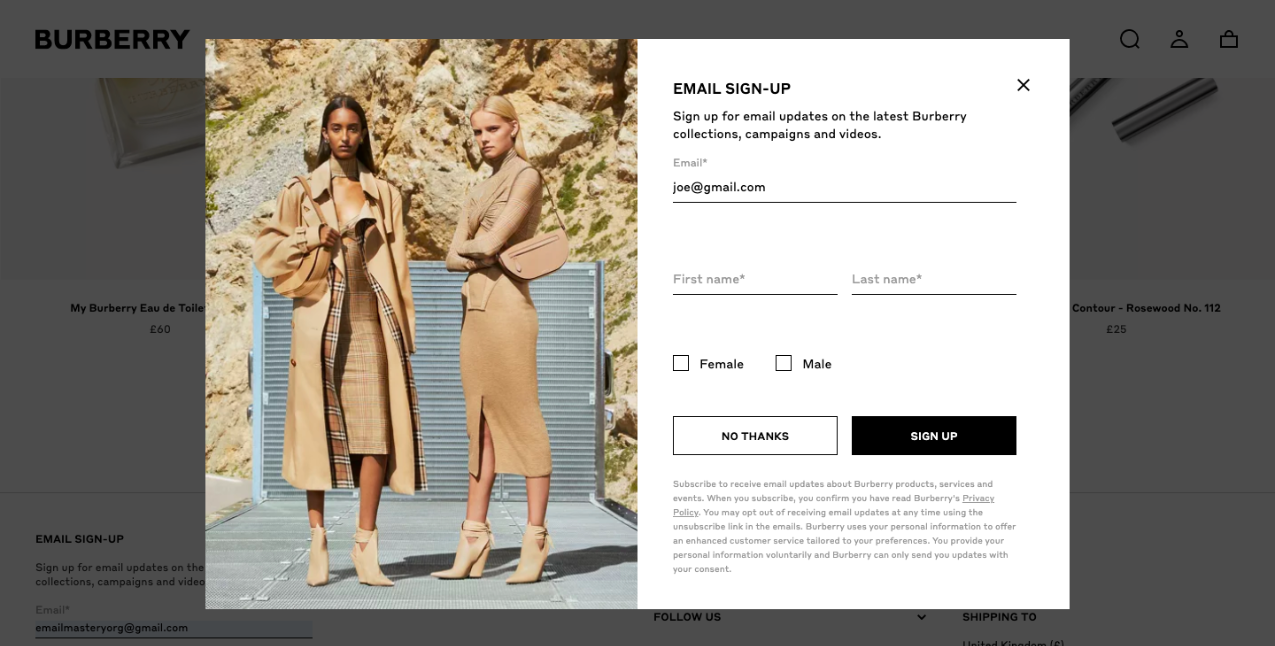
This is your opportunity to establish the mood. Instead of being a generic “Thanks for signing up!” email, a luxury welcome email should seem more like a personal introduction.
Aim for elegant design, a tone that’s both warm and polished, and a clear reflection of what makes your brand distinct.
Example: A letter from the creative director and a brief video of their master artisans at work may be included by a luxury jewelry business.
2. Product Launch Announcements – Exclusivity First
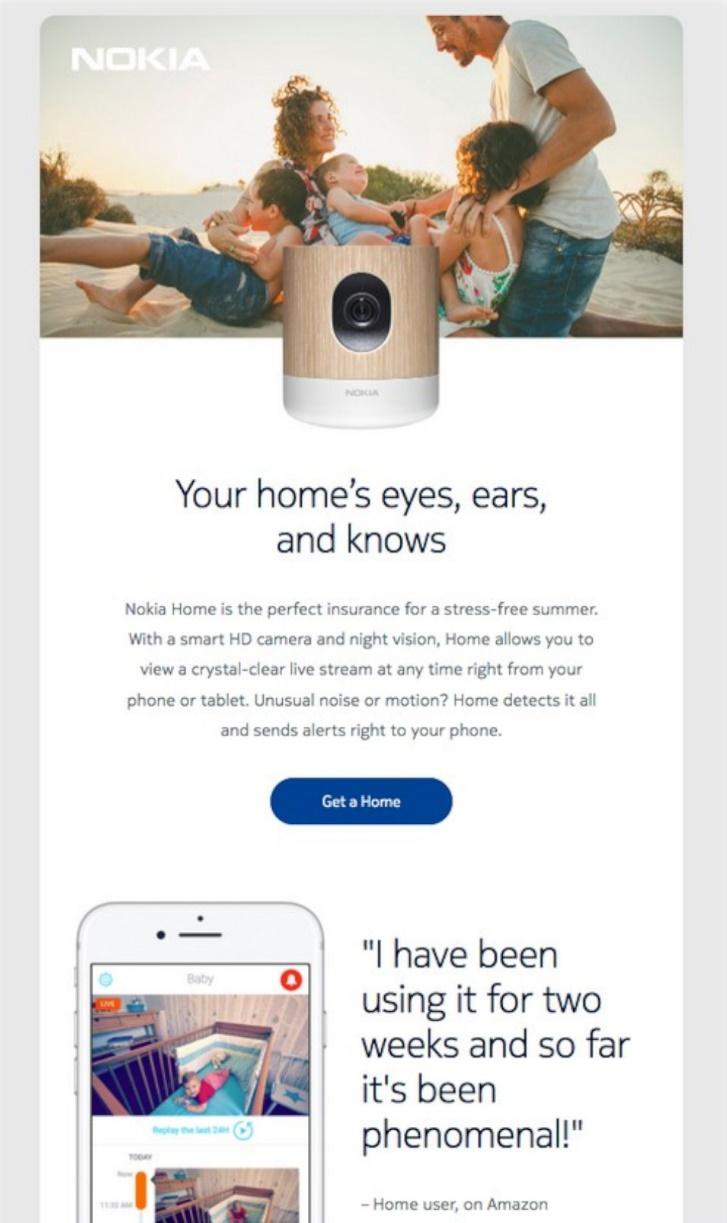
While other businesses yell “New Arrival!” to their whole list, luxury talks quietly to a chosen few. Your launch should seem more like a special invitation than a public statement.
The strategy that generates desire: Give your finest clients first look, private access, and the story behind the craft – rather than simply the product itself.
Picture this: A premier watchmaker doesn’t just announce a new timepiece. They personally invite their top collectors to an exclusive virtual unveiling with the master watchmaker a week before anyone else knows it exists. It’s not a sale; it’s an insider experience.
3. Event Invitations – Because Access = Status
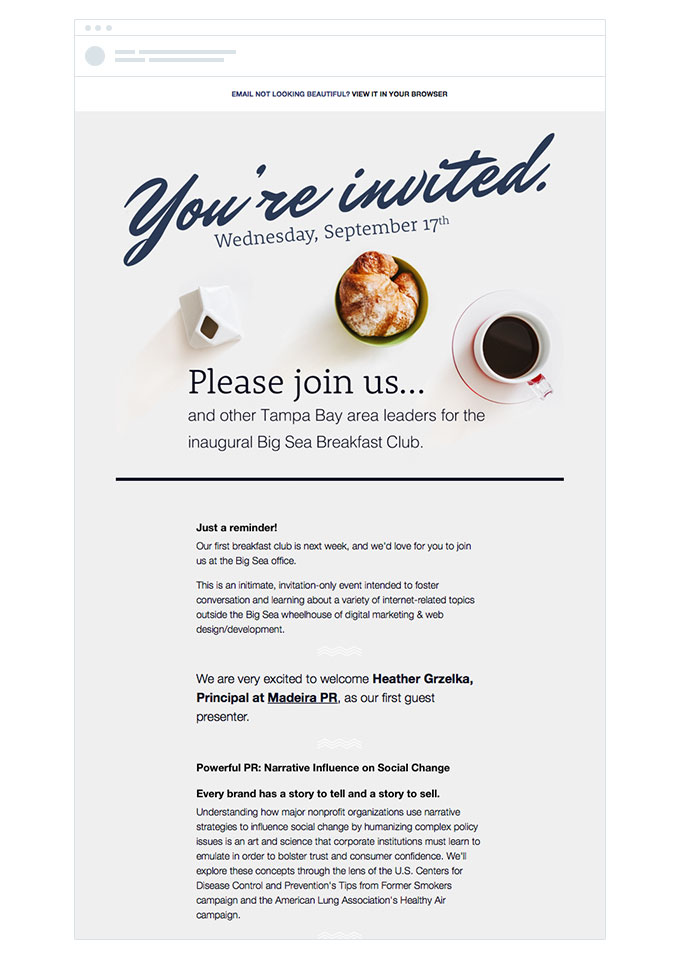
From runway shows to intimate cocktail parties, luxury brands use events to make clients feel like insiders.
What works: Personalized emails (not mass blasts), a sense of rarity (“Only 20 seats available”), and a seamless RSVP process.
Example: A designer fashion house invites top spenders to an exclusive trunk show with a “by appointment only” booking link.
4. Loyalty & Appreciation Emails – Make Them Feel Valued
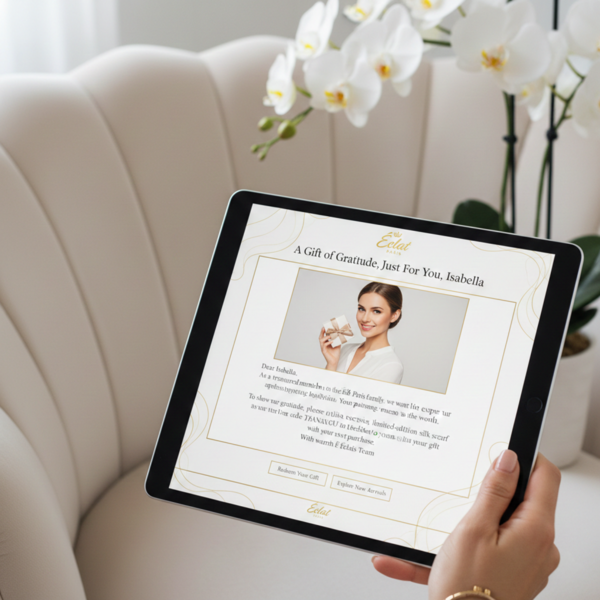 Luxury customers don’t want generic rewards – they want recognition.
What works: Handwritten thank-you notes (digitally designed), anniversary gifts, or surprise perks like a complimentary styling session.
Example: A five-star hotel chain emails a loyal guest on their birthday with a free room upgrade for their next stay.
5. Curated Content – Build the Brand Story
These aren’t sales emails – they’re about deepening the emotional connection.
What works: Behind-the-scenes glances, artisan interviews, stylistic tips, and legacy stories.
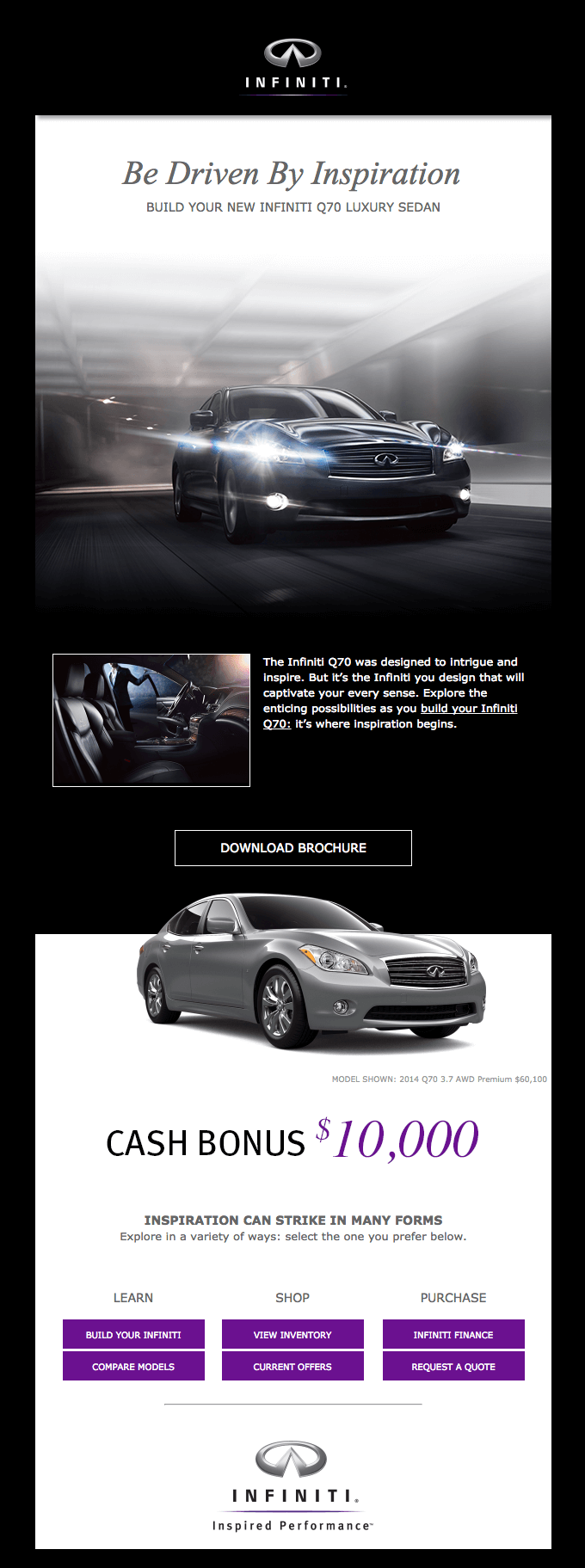
Example: A luxury car brand shares a mini-documentary on how their latest model was engineered, sent only to serious buyers.
Why Luxury Email Marketing Demands a Unique Strategy
Luxury marketing doesn’t follow the same rules as regular retail. You can’t just slap a higher price tag on your email strategy and call it a day. The wealthy customers you’re targeting have completely different expectations, and if you get it wrong, you’ll damage your brand’s prestige faster than you can say “mass-market.”
Here’s what makes luxury email marketing different – and how to actually make it work:
1. Audience Expectations: Personalization Is Non-Negotiable
Wealthy clients don’t just want to see their name in an email – they expect the entire experience to feel curated for them. A generic “Dear Customer” message doesn’t just feel impersonal; it can actually make your brand look out of touch.
Relevance is everything. If someone just bought a $50,000 watch, the last thing they want to see is a promotion for your most basic model. It sends entirely the wrong message.
Subtlety matters, too. Aggressive sales language feels cheap and misses the mark. This audience responds to thoughtful, personalized recommendations that align with their taste – not pushy promotions.
Instead of seeming like a salesperson attempting to clinch a transaction, you should sound like a trusted counsel who knows their world.
For instance, a high-end fashion brand notices that a client frequently buys tailored pieces. They send a personalized note introducing a limited-run overcoat that perfectly suits the client’s style – highlighting its craftsmanship and exclusivity, never its price.
2. Brand Perception: Every Email Must Reinforce Exclusivity
Luxury isn’t defined by price alone – it’s built on perception. If your emails feel generic, the sense of prestige disappears instantly.
Presentation matters. The design should mirror the elegance of a high-end magazine, not the clutter of promotional ads.
The language carries weight, too. Phrases like exclusive, crafted, or by invitation only signal refinement and privilege.
Consistency puts everything together. Every message should feel like it fits into the brand’s universe, whether that universe is defined by traditional elegance or bold, contemporary luxury.
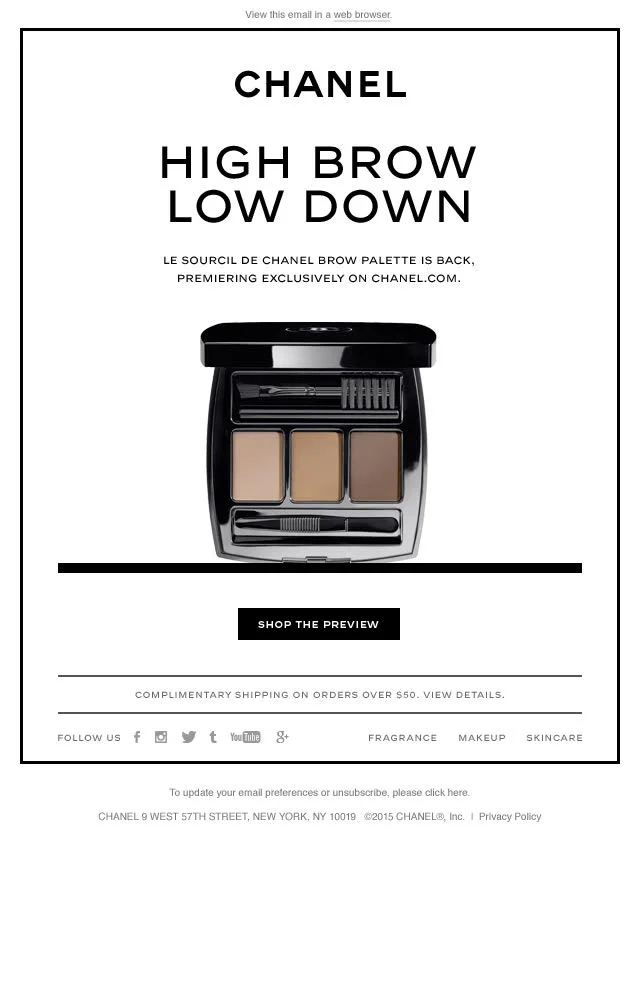

Tip: Look at the way Rolex, Chanel, or Aman Resorts communicate. Their emails don’t shout “SALE!” – they quietly suggest, “This is reserved for you.”
3. Longer Sales Cycles: Nurturing Trust Over Time
Luxury purchases are rarely done on a whim. A customer seeking a $200,000 automobile may conduct months of study before making a purchase.
The goal is to engage and educate, not to close a deal quickly. Tell tales of your brand’s history, designer insights, or workmanship.
Build anticipation along the way. Provide private previews or early access to new collections, providing devoted customers a sense of exclusivity.
Maintain your presence but do not overwhelm them. A smart invitation to an exclusive event or showcase may help keep your business front of mind during the decision-making process.
Example: A high-end real estate firm sends its top clients a monthly Insider’s Look featuring off-market properties available only to qualified buyers.
4. Value Beyond Discounts: Luxury Isn’t About Price Cuts
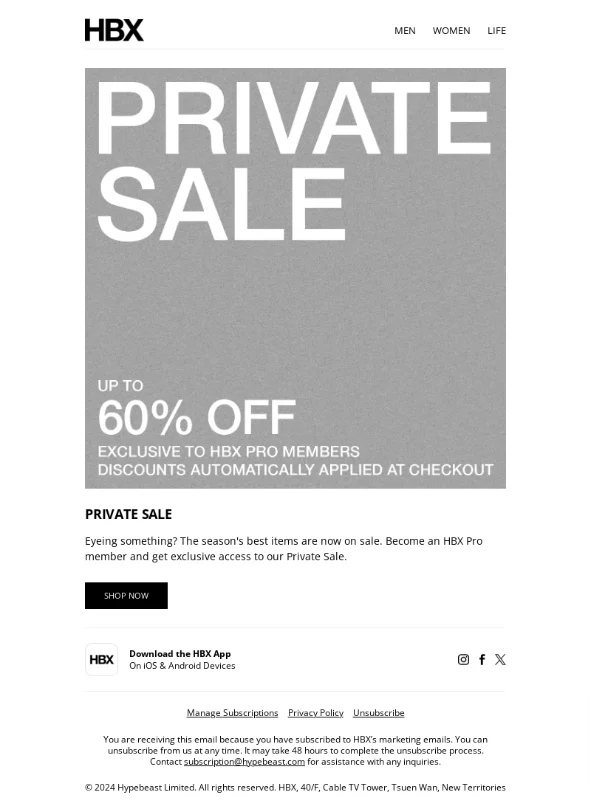
Unlike mass-market brands that rely on bold “50% OFF!” promotions, luxury communication highlights what can’t be replicated or mass-produced.
- It’s about scarcity – “Only five pieces available worldwide.”
- It’s about privilege – “Invitation-only access to a private preview.”
- It’s about heritage – “Handcrafted with techniques refined over centuries.”
Discounts risk diminishing a luxury brand’s image. Instead, value is delivered through experiences and exclusivity:
- Complimentary personal styling sessions;
- Private shopping appointments;
- Priority access to limited editions.
Example: Louis Vuitton never discounts its signature products. Instead, VIP clients are invited to preview special collaborations – like the Nike AF1 release that sold out instantly.
5. The Unspoken Rule: Less Is More
Luxury clients don’t want constant promotional emails. They expect fewer, well-prepared messages that feel relevant and worth their attention.
One or two well-written emails each month will have a greater effect than several generic ones in terms of frequency.
The content should be direct and meaningful. Each line should serve a purpose – either adding information, telling a story, or reinforcing exclusivity. Avoid filler.
CTA should also match the brand’s tone. Instead of “Shop Now,” use options like “Discover the Collection” or “Arrange a Private Viewing.” These guide the customer without sounding pushy.
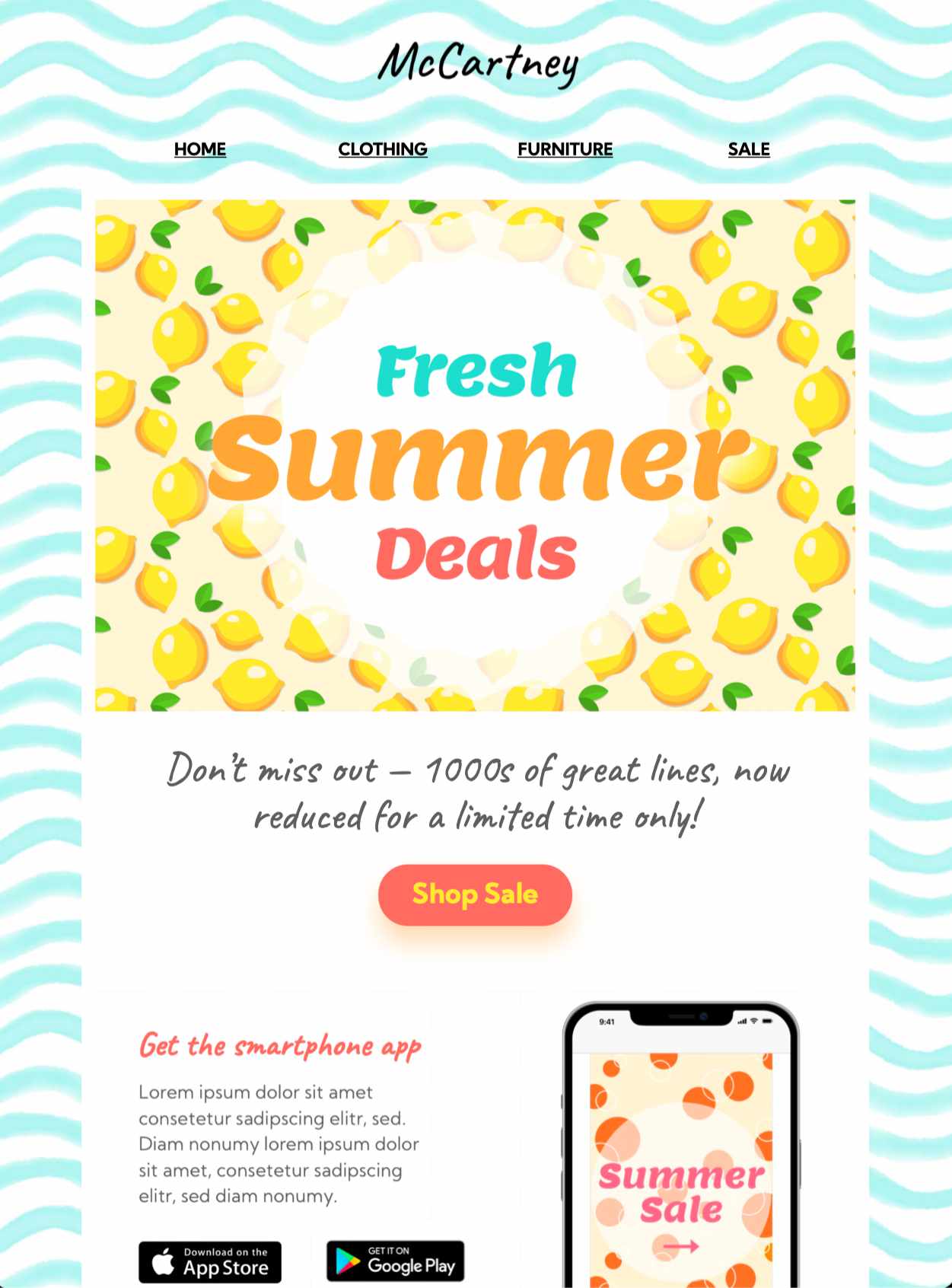
Pro Tip: Test subject lines to learn what works best. For example, “Your Exclusive Invitation Awaits” is more effective for a luxury audience than “Summer Sale – Don’t Miss Out!”
5 Effective Strategies for Luxury Email Marketing
Sending out mass promos isn’t the goal of luxury email marketing. Delivering customized, valuable communications that are important to wealthy clientele is the goal. Instead of generic sales content, they seek exclusivity and customization.
Prominent luxury businesses consider each email to be an invitation. The five tactics listed below turn straightforward campaigns into chances to build bonds and foster enduring devotion.
Strategy 1: Hyper-Personalization Beyond First Names
A first name in a subject line is the bare minimum. For a clientele that expects the exceptional, personalization is about deep familiarity. It’s demonstrating that you not only know their name but you understand their taste, their life, and their passions.
Key Tactics:
- Use behavior – Base recommendations on browsing and purchase history.
- Segment by interests – Group clients by passions, not just demographics.
- Mark milestones – Recognize birthdays and anniversaries with tailored offers.
- Guide styling – Suggest complete looks or curated combinations.
Example: A client has been admiring a specific evening gown. Instead of a generic “You viewed this item” email, they receive a beautifully composed note featuring that gown, alongside a curated selection of jewelry and heels chosen by your creative director.
To truly elevate the moment, include a brief, personal video from the director explaining why these pieces were chosen to complement their style. That doesn’t feel like marketing; it feels like an exclusive service.
Strategy 2: Exclusive Access and Limited Editions
Luxury isn’t just about price tags – it’s about access. Your best customers don’t just want nice things; they want what most people can’t get. Your emails should make them feel like they’re part of an inner circle, with opportunities others won’t even hear about.
Key Tactics:
- First looks – Give your top subscribers early access to new collections before the public.
- Members-only releases – Skip the mass sales. Offer limited-run pieces or rare finds instead.
- By-invitation experiences – Secure them seats at runway shows, launch parties, or intimate brand events.
- Behind-the-scenes perks – Share insider updates, like a private club newsletter.
Example: A top-tier client receives a simple, basic email. It avoids advertising language and instead reveals a new watch model with a limited manufacturing run of 100 units. The text is straightforward: “We have reserved one for your consideration.” This strategy presents the transaction as a special allotment rather than a standard sale.
Every detail must express exclusivity via action in order for this strategy to be implemented successfully. Make use of a simple, minimalist email design that has lots of white space and excellent graphics. Steer clear of visual clutter. Use captivating and intimate subject lines, such as “An Invitation for [Name]” or “Reserved for Your Eyes Only.”
Above all, choose carefully what you communicate. If all products are labeled “limited,” the phrase becomes meaningless. Your audience will discover that every email you send has a genuinely unique opportunity if you send fewer, more focused emails.
Strategy 3: Tell a Story, Don’t Just Sell a Product
Luxury consumers invest in a product’s history in addition to purchasing it. They appreciate craftsmanship, legacy, and the significance of the goods they buy. The goal is to tell that story in a way that will make the relationship stronger after the sale.
Key Tactics:
- Craftsmanship: Highlight makers, materials, and techniques.
- Heritage: Share brand history and traditions.
- Behind the scenes: Offer tours or designer insights.
- Lifestyle fit: Show products as part of a refined lifestyle.
Example: A long-standing wine producer avoids sending a simple product photo with a price. Instead, they create a series of emails. One explains the family history of four generations working the vineyard. Another highlights the soil’s unique qualities and why it matters. A third shows the harvest process and the care involved. Together, these messages explain the value behind the product. The focus shifts from just selling wine to presenting its heritage.
Let the images speak for themselves. Concentrate on striking, editorial-style images and rich, cinematic video that tell a story much beyond the product itself. Instead of focusing on simple features and technical minutiae, emphasize the legacy, tradition, and personal touch that give each object life.
Your tone shouldn’t sound like a sales pitch. Write as the expert in the room – someone offering perspective, not pushing for a transaction. Be the guide, not the seller.
Strategy 4: Design and Visual Excellence
Consider your emails a digital extension of your boutique – every detail is important. A crowded or badly constructed message may immediately devalue a premium reputation. Your objective is to produce a moment of visual beauty that is entirely appropriate for your brand’s universe.
Key Tactics:
- Keep it clean – Use simple layouts, white space, and striking visuals.
- Show detail – Use high-quality photography that highlights craftsmanship.
- Stay consistent – Fonts, colors, and styles should reflect brand identity.
- Think mobile – Ensure emails render perfectly on phones and tablets.
- Add interactivity – Use video or subtle motion to create engagement.
Example: A luxury jeweler wouldn’t blast an email showing fifty different rings. Instead, they might send a serene, dark email featuring a single, exquisite diamond necklace. The message is minimal, the focus is absolute, and the only call-to-action is a quiet invitation to “Discover the Story.”
Strategy 5: Nurturing Long-Term Relationships
In luxury, the real value isn’t in a single transaction – it’s in a relationship that stands the test of time. It’s about fostering trust, not just closing a sale.
Key Tactics:
- Give them a real person – Offer top clients a dedicated contact – not a generic inbox. Make it personal.
- Care after the sale – Follow up with useful advice – how to care for their product, warranty details, or even styling ideas that show you remember their taste.
- Reward loyalty with access, not discounts – Think free upkeep, early product access, or reservations at hard-to-book events.
- Re-engage with grace – If a client stops talking, follow up with a kind message or invitation rather than a forced promotion.
Example: Six months following a purchase, a premium automobile company invites customers to a complimentary servicing session and a customized driving experience. Expressing gratitude rather than trying to close another deal is the aim.
Luxury Email Marketing Blueprint
Individually, these strategies are effective. But when you combine them, they create a complete system for building a true luxury brand experience.
Here’s how each piece contributes:
- Hyper-Personalization: Makes each client feel seen and important.
- Exclusive Access: Creates a sense of desire and belonging.
- Storytelling: Builds emotional resonance and prestige.
- Design Excellence: Communicates quality at every touchpoint.
- Relationship Nurturing: Turns occasional buyers into lifelong advocates.
Ultimately, this isn’t just about sending emails – it’s about building a world around your brand that people want to be part of. It’s what transforms your communications from something people skim into something they genuinely look forward to.
Conclusion
Luxury email marketing is a balance between exclusivity, storytelling, and personalization. Unlike mass-market campaigns, success in this space depends on delivering refined, curated experiences that reflect the brand’s identity and meet customer expectations for excellence.
The five strategies outlined – personalization, exclusivity, storytelling, design, and relationship-building – are proven to work across industries from fashion and jewelry to automobiles and fine dining.
For luxury brands, every email is an opportunity to strengthen prestige, reinforce exclusivity, and deepen trust. When executed correctly, email marketing becomes not just a sales channel but a central part of the brand experience.